

Point AI at Your Data And It Guesses. The Fix Is a Layer Most Teams Skip.
AI leader Kamal Singh says frontier models are nearly interchangeable. Enterprise AI reliability comes from the context, ontology and access control that surround them.
Data platforms, infrastructure, and the systems behind enterprise AI.
AI leader Kamal Singh says frontier models are nearly interchangeable. Enterprise AI reliability comes from the context, ontology and access control that surround them.

Diaa Radwan, Data and AI Solution Engineer on Microsoft's Global Black Belt team, explains how WAL, logical replication, and change data capture let PostgreSQL generate real-time events for downstream systems while staying the authoritative system of record.

Vladislav Galibov, Co-Founder of Croco.Team, explains why the extensions under a Postgres AI stack decide when a new release becomes usable in production.

Grant Fritchey, Product Advocate at Redgate Software, explains why AI-assisted development is pushing enterprises back toward data-first architecture, where database design, governance, and senior engineering judgment decide whether faster code holds up.

Nandakumar Sivaraman, SVP and Chief Architect of Enterprise Data at Bridgenext, explains why AI needs to know who owns each copy of a record and how it changed.
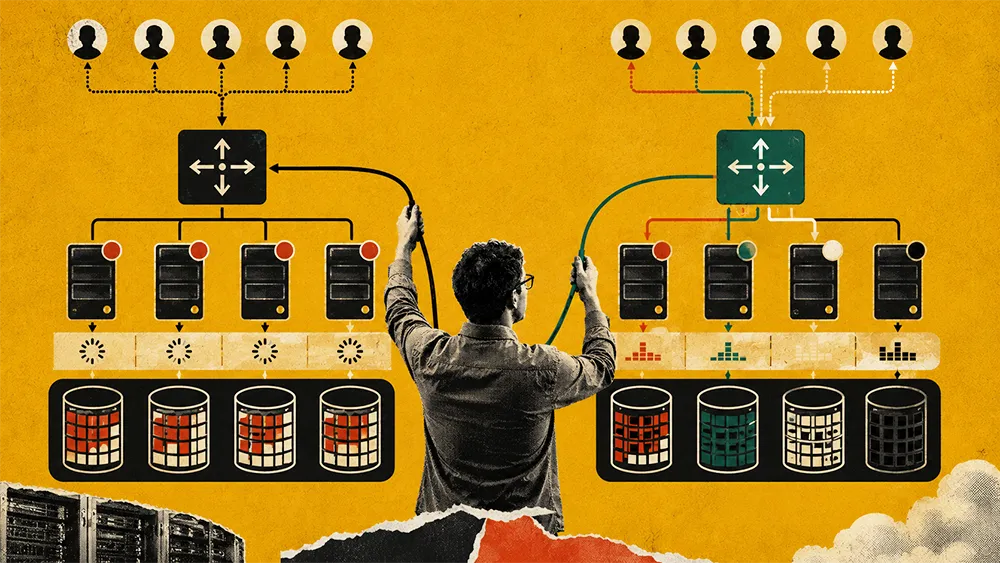
Intel engineer Vamshi Nagireddy explains why KV cache optimization is a systems problem best solved with the block allocators, eviction policies, and data-locality discipline of databases.

Aaron Pries, Director of Data Analytics at Bluenet, explains why enterprise AI value depends on backend data quality, API connectivity, and system integration rather than client-facing features.
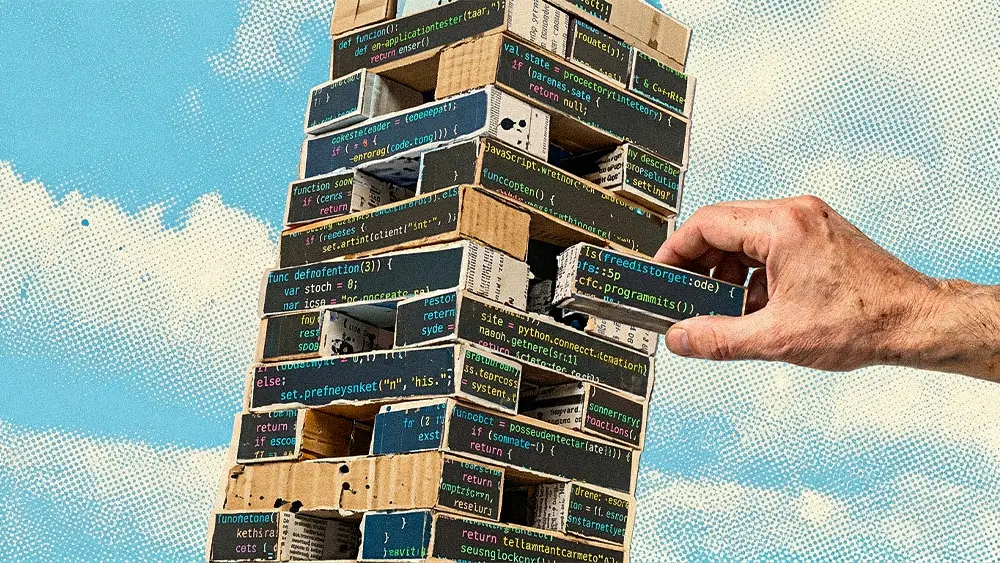
Matt Erman, Senior Software Engineer at Blackboard and author of the forthcoming Grokking Software Architecture, argues that AI's coding speed is making architectural fundamentals, security discipline, and human accountability the real engineering moat.

Suggestic CEO Carver Anderson says enterprises can start building AI pipelines on messy data today, laying the groundwork for a future where brand agents replace the website.

Joseph Huffnagle, Global Vice President of Field Engineering and Delivery at Parloa, explains why enterprises moving agentic AI into production need agentic-first architecture with deterministic guardrails where regulation demands them, not scripted automation dressed up as autonomy.

Trent Mcfarlane, Senior AI Architect at Zero Click Dev, argues that production AI fails when teams skip retrieval design, token cost discipline, and gateway infrastructure.

Michael Benedict, Client Partner at Slalom, explains why production AI advantage lives in the architecture around the model, and why companies that make employees' lives better through AI will outcompete those that simply bolt it on.

Anna Jibgashvili, Enterprise AI Transformation Leader and Founder of Foundeon, warns that enterprises racing to deploy agents on fragmented data ecosystems are quietly surrendering the institutional identity that makes them distinct.

Mike Zimmerman, Fractional CTO and Technology & Data Strategy Advisor at Blue Sprout Consulting, explains why disciplined data modeling and upstream governance determine whether AI and automation initiatives succeed or fail.
Humera Madni, BI Architect at Ganit, explains why AI delivers more value as a layer on top of mature BI platforms than as a replacement for them.

Luca Ziveri, Chief Strategy Officer at SaidText, argues that manufacturers are spending AI budgets on predictive algorithms while ignoring the upstream bottleneck: operators who skip or delay data entry because the reporting interface adds more friction than the fix itself.

Gabriel Linero, Lead Software Engineer at EPAM Systems, explains how coordinated fleets of specialized agents are replacing manual data work and reshaping what engineers actually spend their time on.

Julien Groselle, a CTO and AI architect, explains how he moved from AI-generated code chaos to production-ready output by enforcing extreme programming discipline, and why the real engineering skill is now systems thinking, not writing code.
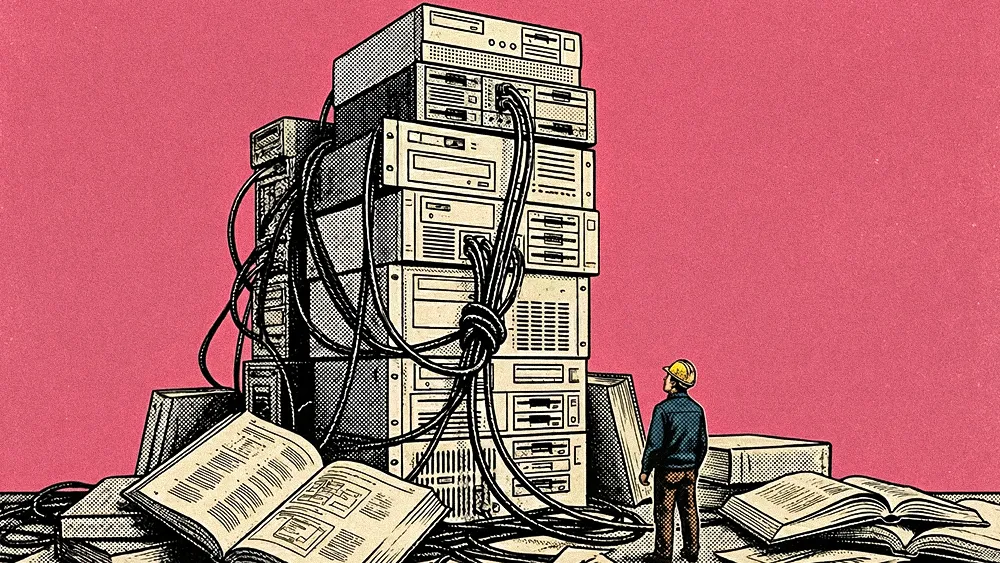
Paris Nakita Kejser, Advanced Platform Engineer in DevSecOps, argues that GitOps in 2026 is reaching operational maturity not through more tools but through a return to fundamentals.

Henrik Løvborg, Tech Sales Leader for Denmark at Red Hat, explains why hybrid infrastructure is becoming the default enterprise operating model as digital sovereignty, AI workloads, and the return of virtualization reshape how organizations think about platform investment.

Nikolai Utzon-Meiland, Regional Director for Nordics and Benelux at EDB, explains how customer demand for data control, portability, and clear exit strategies is driving adoption of cloud-native PostgreSQL across banks, manufacturers, and public sector organizations.

Andrea Giardini, Founder and Lead Consultant at KundoLabs and CNCF Ambassador, explains how Kubernetes is becoming the orchestration layer for AI workloads by abstracting GPU constraints, enabling multi-cloud portability, and letting teams assemble modular infrastructure stacks.

Oguzhan Coskun, Solutions Architect and Founder of Nsource, explains how open-source collaboration in the Kubernetes ecosystem is producing the GPU scheduling, networking, and observability tools that organizations need to run AI workloads at scale.

Musanam Shah, Director of Infrastructure and Cyber Security at URU Systems, explains why resource-hungry AI applications are breaking the economic logic of hyperscaler VMs and driving organizations back to dedicated hardware managed through Kubernetes.

Healthcare's automation challenge isn't technological, it's organizational. Abhijeet Vaidya, Practice Leader for Data & AI at Emids, explains why departmental silos can block AI value.
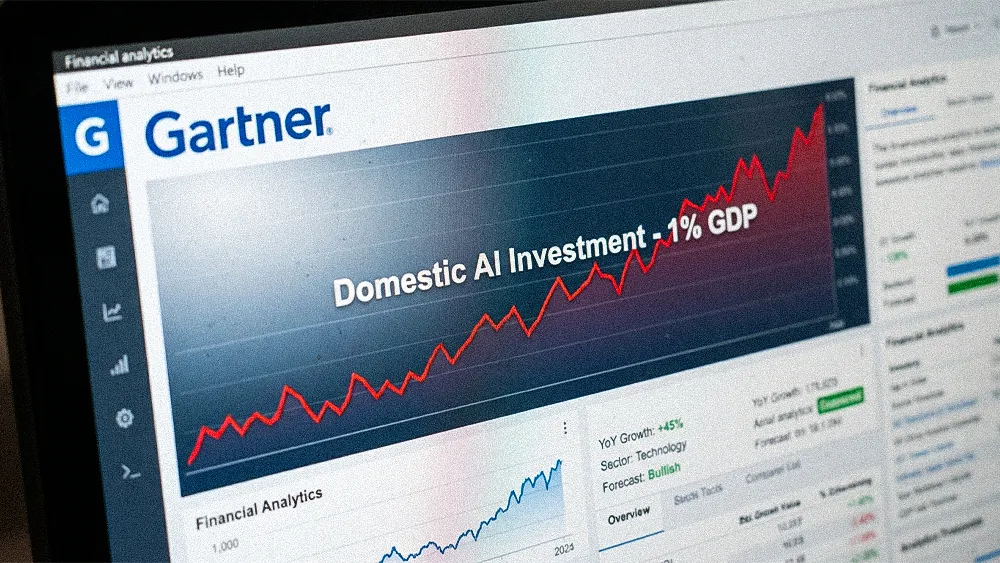
A Gartner report predicts nations pursuing digital sovereignty will need to invest 1% of their GDP in domestic AI infrastructure by 2029.

IT professional Jorge Muñoz Martínez explains that orchestration connects systems, data, and teams so AI decisions are traceable, context-aware, and aligned to shared outcomes.
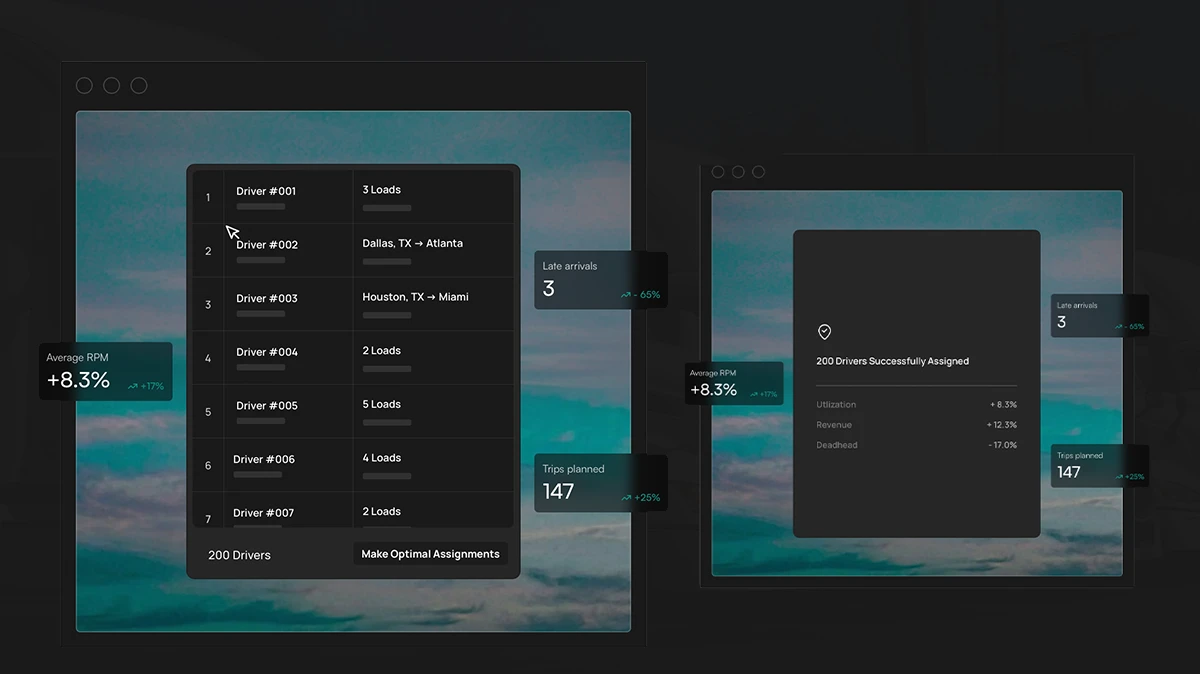
Fleetline COO Veer Juneja explains AI's real value in logistics: normalizing messy data to unlock operational power, customization, and worker productivity

Gabriele Bartolini, VP and Chief Architect, Kubernetes, at EDB, explains how on-premises strategies can help leaders cut unpredictable cloud costs and reclaim absolute control over their sensitive data.

Industrial AI fails due to old hardware, not code. Honeywell engineer Hamza Kamaleddine explains why physical infrastructure is AI's biggest bottleneck.

Wes Wright, Chief Healthcare Officer at Ordr, outlines why full device intelligence is becoming the foundation for automated, cross-domain defense in healthcare.

Robert Haas, VP and Chief Database Architect at EnterpriseDB, shows why AI hasn’t changed the fundamentals of data and why PostgreSQL endures by prioritizing reliability, openness, and time.

Kjersten Moody, CDAO In Residence at Insight Partners and 3x CDO at Fortune 500 companies, contrasts legacy enterprises weighed down by data debt with AI-native companies built to scale intelligence from day one.

Travis Steele, Chief Architect, Air Force and Space Force at Red Hat, says orbital data centers are rapidly taking shape and that the industry has a brief window to shape the standards that will define them.

Capgemini Global Head of CPRD I&D Dinand Tinholt frames AI success as business-owned data that reduces friction and drives decisions at the point of action.

GE HealthCare is acquiring medical imaging software provider Intelerad for $2.3 billion to expand into the outpatient market with cloud-based, AI-driven software.
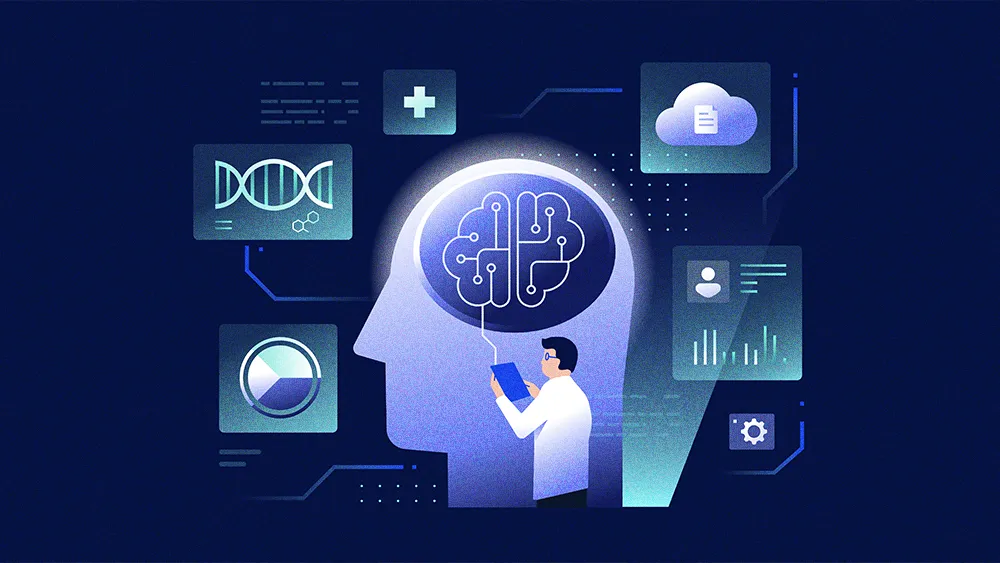
Simon Beniston, CEO of MediBioSense Ltd, details how wearables transform patient prediction, but adoption slows amid data chaos and institutional barriers.

Eduard de Vries Sands, CIO at Eversana, explains why real AI value comes from mastering workflows and building credibility before buying new tools.

Harsha Upadhyay, Enterprise Data Architect and Founder of the consultancy All About Data, explains why enterprises must build a strong data foundation before adopting agentic AI to ensure success.

Gaurav Sharma, Principal Product Manager at Edgecore Networks, explains why some companies are moving away from the cloud to reduce their dependency on global hyperscalers.
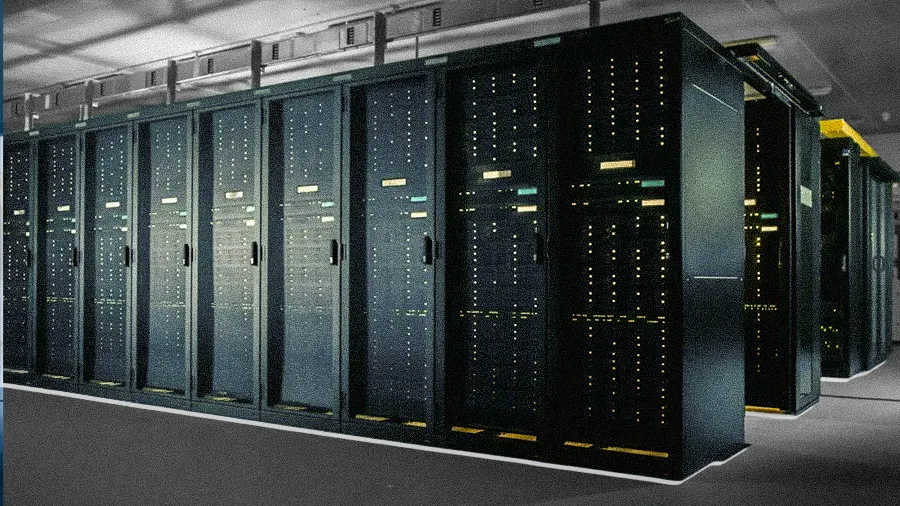
Subha Shrinivasan, SVP at Rakuten Symphony, explains how AI is transforming traditional data center infrastructure.

Deepan MN, Lead Data Scientist at Zoho, explains why the release of open-weight models like GPT-OSS marks a strategic shift in enterprise AI.

Joshua Hickey, Principal Technology Manager at Mayo Clinic, explains why healthcare leaders are focusing on AI for data integrity and unified patient experiences.
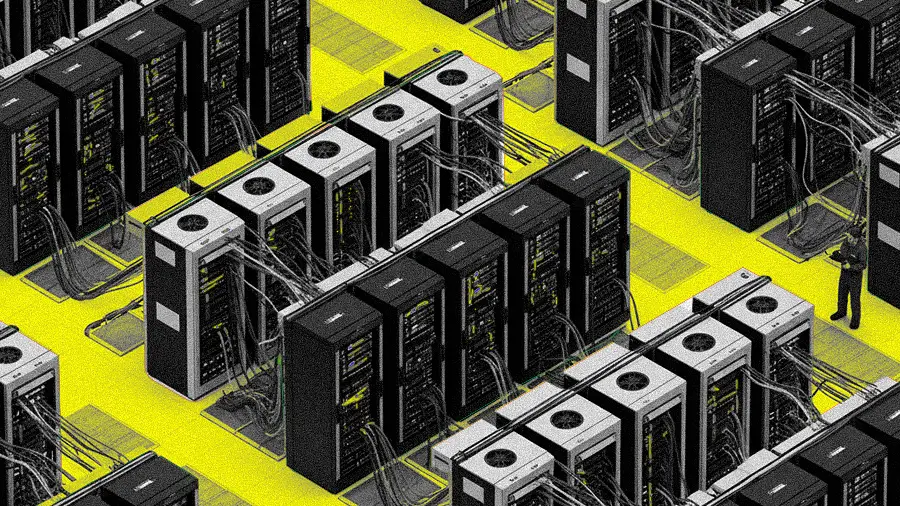
Gaurav Sharma of Nokia, Ciena, and Edgecore Networks on why leaders are reclaiming control from the cloud and how to de-risk investments in agentic AI.

How Pennsylvania's unique energy portfolio is making it a hotspot for data center investment: Jon Pogue of Wells Fargo.
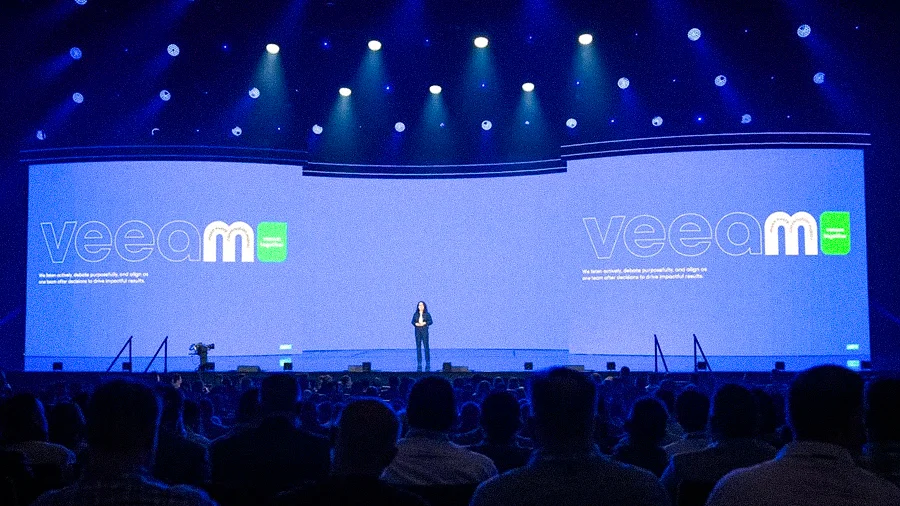
Nina Tebbe, Sr. Director of Enterprise Sales at Veeam, explains why organizations need to focus on processes and people, not just technology, for true resilience.

Brian Ray, Head of Data Analytics & AI for the US & Canada at Atos, redefines sovereign AI as a strategic spectrum.

Ganesh Ariyur of Gainwell Technologies discusses that AI should enable business outcomes, not be the strategy itself.

Victor Lausas, CEO of North Atlantic, advocates for digital sovereignty as a strategic advantage, emphasizing autonomy over compliance.

Bob Stewart, Executive Director of the AI-SDLC Institute, explains why current AI guardrails are deceptive, risking a crisis of trust between humans and AI.

Amit Prakash, Co-Founder and CTO of ThoughtSpot, on the path to effective AI through embracing quick experimentation and learning from failures.