
AI is no longer just a side project. It's becoming operational infrastructure that actively supports employees, guiding decisions and resolving issues across HR, legal, finance, and IT.
 Anshu MishraDirector of Employee Experience @ F5
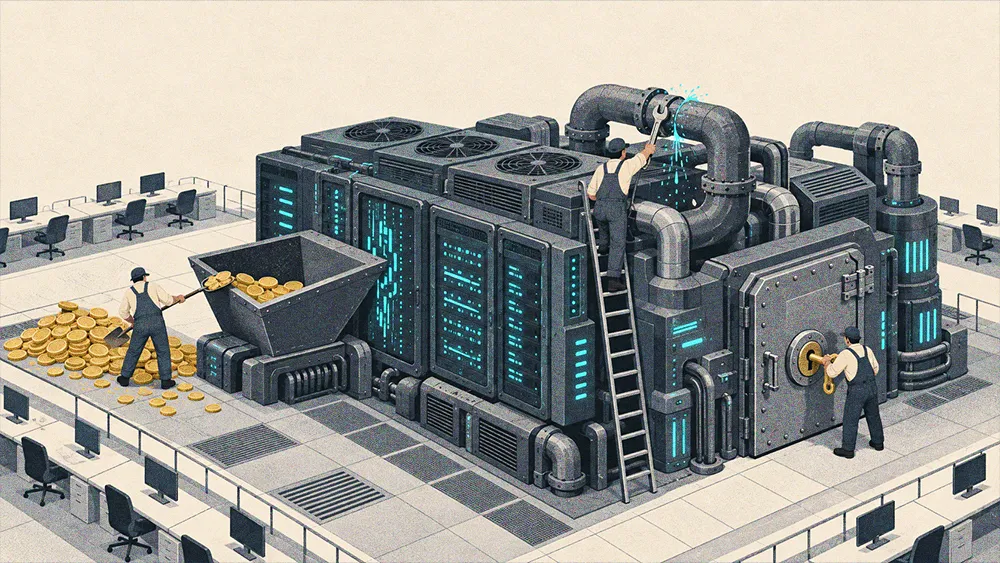
Enterprise AI has crossed the threshold from experimentation to infrastructure. In 2026, it sits inside employee workflows across HR, legal, finance, and IT, guiding decisions and resolving issues in real time. With MCP standardization, Google’s Agent2Agent framework, and audit-ready governance now in place, AI is being wired into the operational backbone of the enterprise. Organizations that architect it intentionally gain speed, clarity, and coordination. Those that hesitate risk fragmented adoption and mounting inefficiency woven into everyday work.
Anshu Mishra, Director of Employee Experience at F5, a global application delivery and security company, has spent more than a decade leading digital transformation initiatives across technology organizations. He is currently leading F5's enterprise-wide AI transformation, building agentic solutions from the ground up to launch across the organization in Q2. He says the current moment marks a clear inflection point, with advancements in AI capabilities, MCP adoption, and cross-agent orchestration frameworks reshaping enterprise systems into coordinated, intelligent environments.
"AI is no longer just a side project. It's becoming operational infrastructure that actively supports employees, guiding decisions and resolving issues across HR, legal, finance, and IT," Mishra says. With governance frameworks now compliant with SOX and audit-ready standards, organizations can confidently deploy AI in critical functions. The bottleneck now is the lack of clear guidance on tool adoption, SDLC handoffs, and persona-based governance. Without lifecycle-driven orchestration, siloed no-code adoption can lead to fragmented implementations and inconsistent employee experiences.
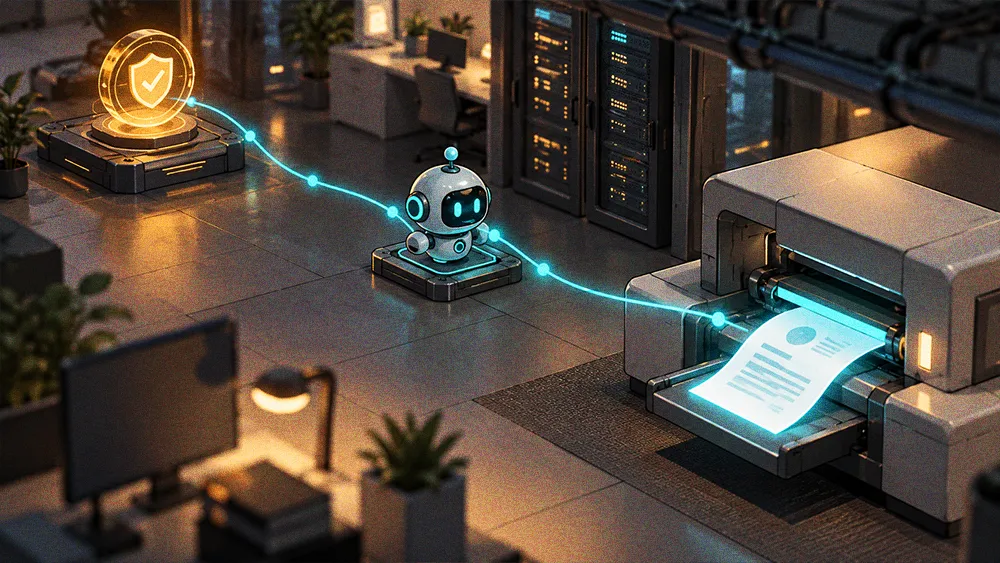
Speaking in tongues: Protocol standardization is reaching maturity. "While MCP helped systems adopt a common terminology, the architectural handoff between agents remained a point of confusion. Google's Agent2Agent protocol is a game-changer because it creates a standard for that secure hand-off," says Mishra. Cross-agent orchestration models now allow workflows to move securely between specialized AI agents without losing governance visibility or data integrity.
Secure handoffs: "The bottleneck is the lack of set guidance on usage. The entire lifecycle process is undefined. A solution owner might prototype in Gemini, but there's no clear guidance on how to hand that work off to engineering or validate it for production. That handoff, that governance principle, and the lifecycle process is what's missing. We need to define what tool to use, in which phase, and by whom," Mishra explains. Without this clarity, enterprises risk fragmented implementations, inconsistent employee experiences, and slower decision-making across teams.
Ready for inspection: Security, encryption, and governance protocols are now embedded into AI systems, providing the structure enterprises need to integrate these tools into regulated workflows. "At the moment, we can confidently roll out production-ready solutions for agentic AI, knowing that security, encryption, and compliance standards are in place," Mishra says.
The future of AI is seamless collaboration. It should work alongside us so naturally that we don’t even realize it’s there, enhancing productivity and improving work life in real time. To deliver on that promise, AI must be mapped to real operational pain points and employee workflows. "Teams are getting smaller, but employee demand isn't decreasing. AI becomes a force multiplier in those environments," Mishra adds. AI is no longer defined by what it can generate, but how effortlessly it integrates into the systems, processes, and human decisions that drive modern organizations.
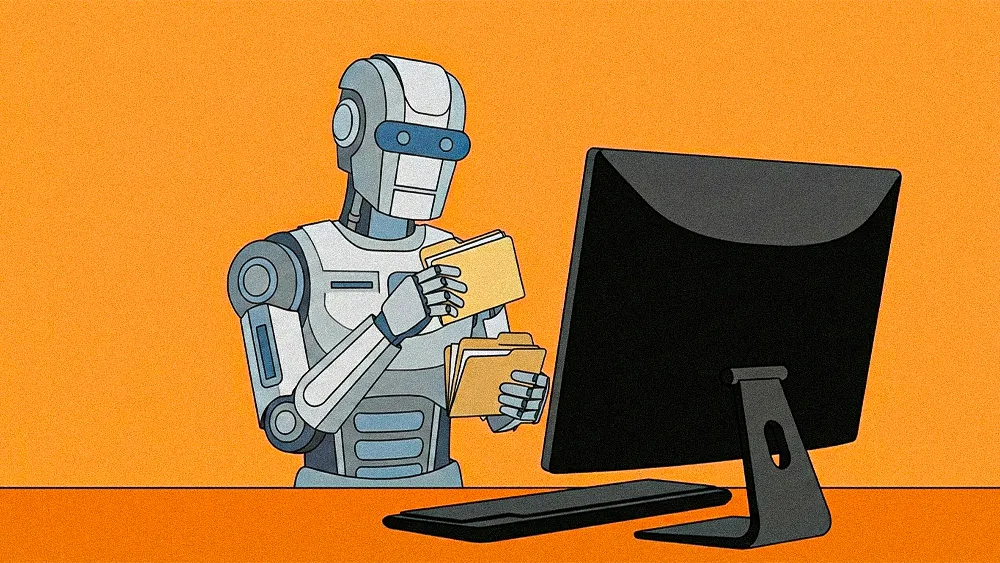
Employee impact: Purpose-built AI partners monitor employee queries 24/7, "deflecting 50-70% of routine cases," while providing proactive answers through Slack, Teams, or ticketing systems. "The AI understands internal systems, policies, and escalation paths. When a case becomes complex, it routes employees to the right portal, the right stakeholders, and the correct process within seconds. When building any AI solution, one must ask: Who is the audience, and will this genuinely help them in their day-to-day work?" he says. Designed around real employee needs, AI demonstrates its true value.
An invisible assistant: There will be a future where AI is seamlessly embedded across devices, applications, and workflows, operating quietly beneath enterprise operations like G Suite, Microsoft 365, or 5G. "The real goal is to integrate AI so deeply into existing software and processes that people stop noticing it. Technology waves become successful when they become invisible," Mishra explains.
Enterprise AI has moved beyond experimentation to become an integral, intelligent partner across enterprise systems, reshaping workflows, enabling purpose-driven solutions, and quietly guiding employees' work every day. It is no longer just a tool for efficiency, it is a foundational layer that transforms how organizations operate and how employees experience their work. "AI should become so integrated into daily work that we don't even notice it. It guides actions, surfaces what matters, and helps people focus on what only humans can do," Mishra says.