

The biggest risk with AI isn't the technology itself, it's the hype that creates unrealistic expectations and misaligned projects.
 Nabeel MahmoodCEO @ Mahmood
The gap between what AI is capable of doing and what organizations are actually doing with it keeps growing. But the barrier is not technical. It is a failure of leadership, communication, and expectation-setting that turns promising pilots into stalled projects. For enterprises pouring resources into AI without a clear strategy, the overhang is self-inflicted.
Nabeel Mahmood is CEO of Mahmood, a global IT and data center consulting firm. A technologist, futurist, and board member with more than two decades of experience leading large-scale global technology organizations through transformation, he argues that AI stalls when leadership fails to set clear strategy, expectations, and accountability.
"The biggest risk with AI isn't the technology itself. It's the hype that creates unrealistic expectations and misaligned projects," says Mahmood. He explains that in his experience, many leaders misunderstand what artificial intelligence actually entails. "Intelligence can never be artificial. It's actionable intelligence based on the data we're capturing and the models we're developing. There's still a human element involved." Where AI does deliver, the wins are concrete and measurable. Mahmood points to the physical layer of compute as an example.
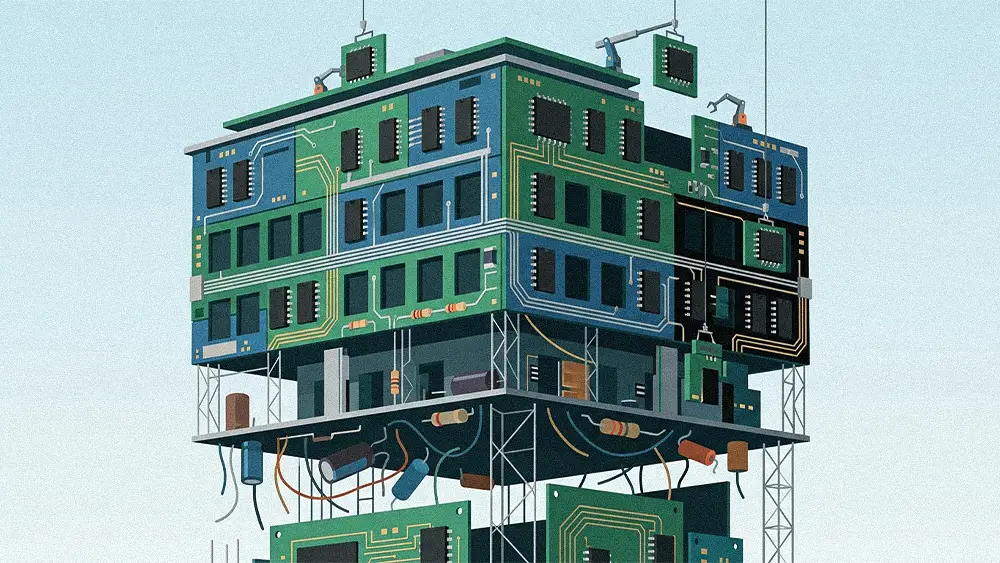
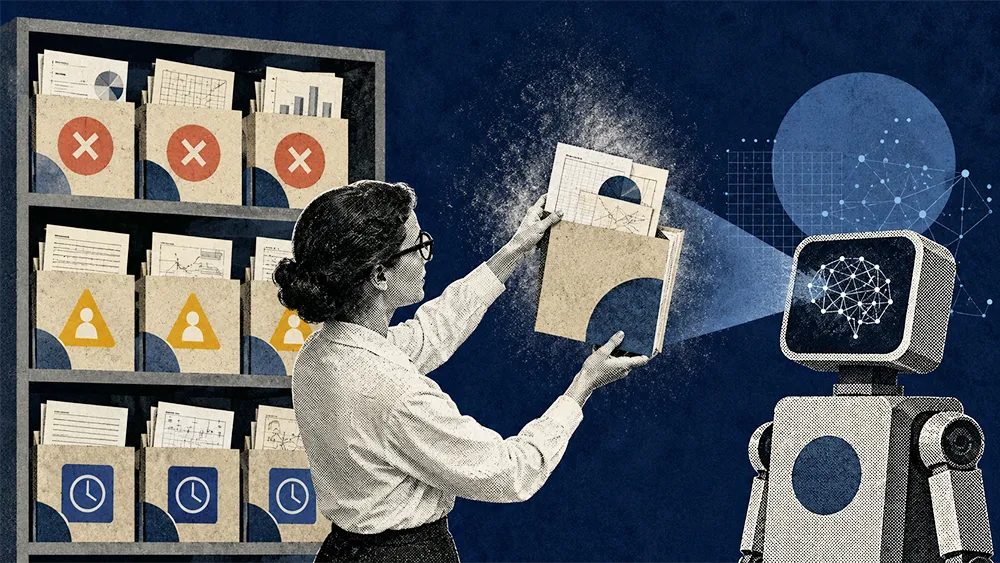
Peak shaving: In data centers, AI enables preventive maintenance and smarter load management that reduce the risk of thermal runaway as compute demand spikes, while at the application layer, LLMs filter scam traffic and security noise before it reaches users. "When AI is applied to real data and real constraints, it helps manage load properly so systems don’t spiral out of control, and it removes unnecessary noise at the security layer so users aren’t overwhelmed by fear or false signals," Mahmood says.
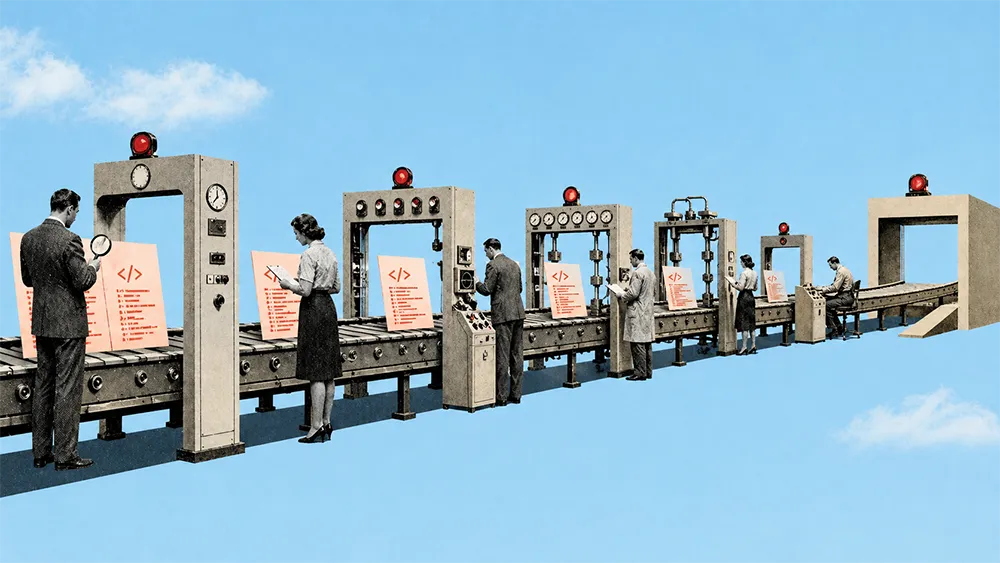
Lost in translation: But for every success, Mahmood sees far more projects stall for the same reason: a breakdown in communication between technical teams and the business. Technologists struggle to translate systems into user outcomes, while business leaders struggle to define what they actually need. "Too many technologists live in bits and bytes and can’t connect their work to the user experience, which makes it impossible to turn technical capability into something the business can actually use."
Mahmood draws a direct line between AI's current moment and previous technology waves. Cloud, mobile, IoT, and big data all existed in some capacity before they became mainstream enterprise investments. The difference is that COVID forced adoption. "If it wasn't for COVID, I don't think we would have been where we're at today. Everybody getting forced into using digital platforms accelerated the adoption and understanding of how it all works."
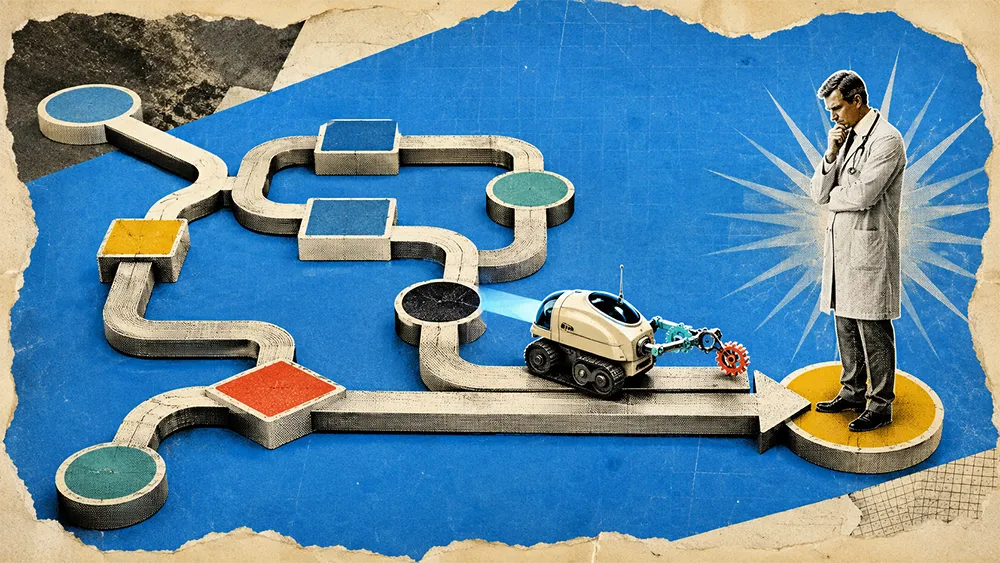
Vision before tools: For Mahmood, the fix starts at the top. Teams only align when leadership pairs technical fluency with a clear strategic vision, a pattern he sees reflected in today’s most valuable companies. "At the root of it, it has to start with vision, with a clear understanding of the business goal and what the organization is actually trying to accomplish, because without that clarity AI drifts into solutions looking for problems," Mahmood says. "When the person leading the charter doesn’t understand the full potential of the technology, miscommunication sets in and projects fail before they ever have a chance to scale."
Human at the center: That leadership mindset carries through to how AI is applied on the ground. At United Security Bank, where he serves as a board member, Mahmood pushed to replace traditional ATMs with interactive teller machines designed around real customer behavior. "If we understand the user’s time, location, behavior, and needs, we can bring a human into the equation instead of automating the experience away," he says, framing human-centered design as a leadership choice.
Looking ahead, Mahmood urges organizations to resist the hype cycle and build for sustainability. "Don't get lost in the hype. Do it for the right reasons that will help scale and sustain your business," he concludes. "Develop platforms that are sustainable and more eco-friendly. We need to all start communicating and ensuring that we reduce that wastage, because we are going to run out of resources."